Advanced Financial Management: Capital Allocation, Investment Portfolios, and Strategic Wealth Building

Financial management provides the analytical framework required to optimize capital allocation, manage corporate balance sheet risks, evaluate investment opportunities, and build long-term wealth across corporate operations and personal investment portfolios. Mastering modern financial management requires a comprehensive understanding of corporate capital budgeting, dynamic capital structure strategies, multi-asset portfolio diversification, quantitative risk modeling, and the profound … Read more
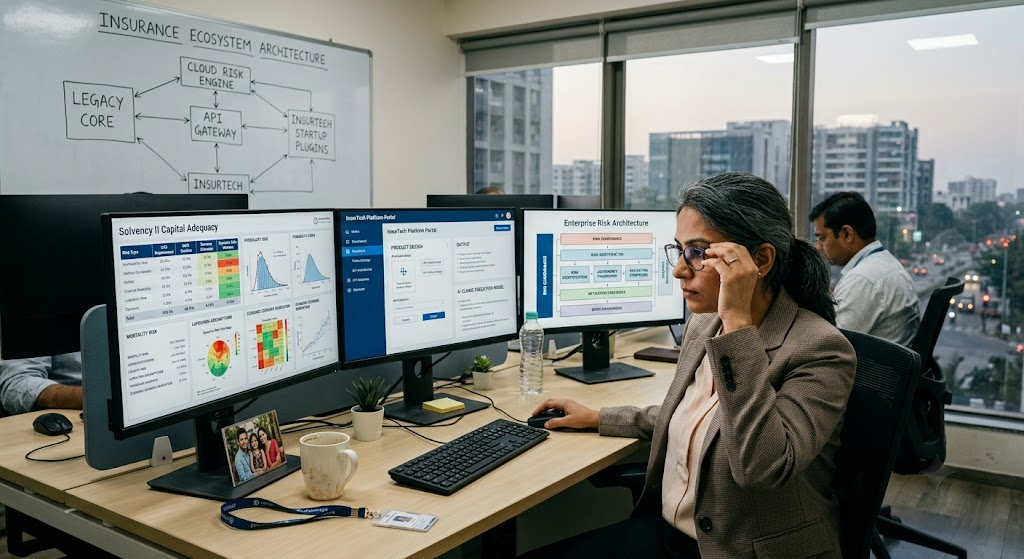
Advanced Insurance Engineering & Risk Management: Actuarial Science, Capital Adequacy, InsurTech Platforms, and Enterprise Risk Architecture

Insurance forms a critical financial stabilization framework within modern global economies. By pooling individual, commercial, and societal risks, insurance structures convert catastrophic, unpredictable financial loss exposures into manageable, predictable operational costs. Engineering resilient insurance ecosystems requires a deep integration of actuarial science, statistical probability modeling, strict regulatory capital adequacy frameworks, advanced risk mitigation strategies, and … Read more

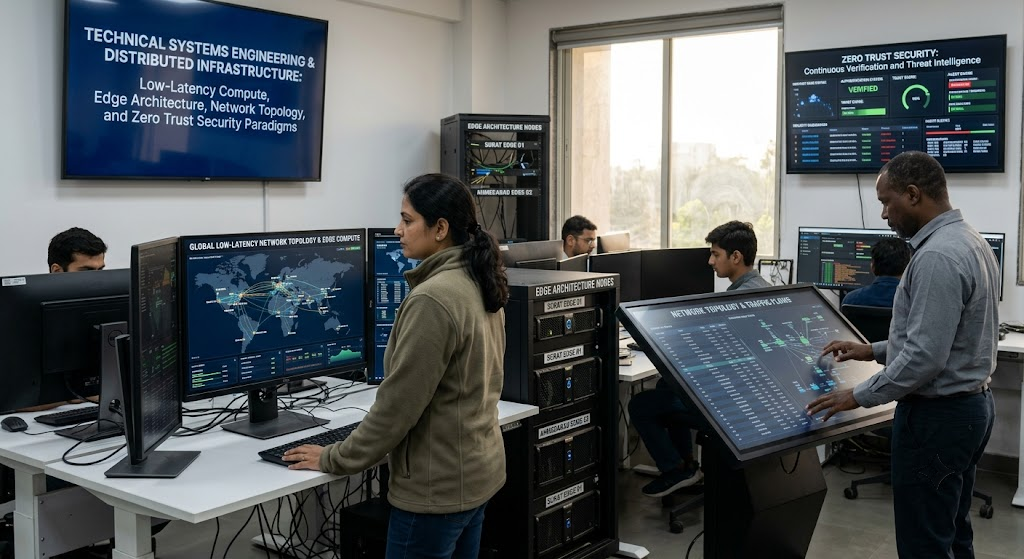
Technical Systems Engineering & Distributed Infrastructure: Low-Latency Compute, Edge Architecture, Network Topology, and Zero Trust Security Paradigms

Technical systems engineering forms the foundational infrastructure supporting global cloud computing applications, real-time communications networks, high-frequency financial platforms, and critical industrial automation environments. As global internet traffic scales exponentially and modern applications require sub-millisecond execution responses, software architects and systems engineers must construct resilient compute topologies, low-latency communication networks, scalable distributed datastores, and uncompromising Zero … Read more

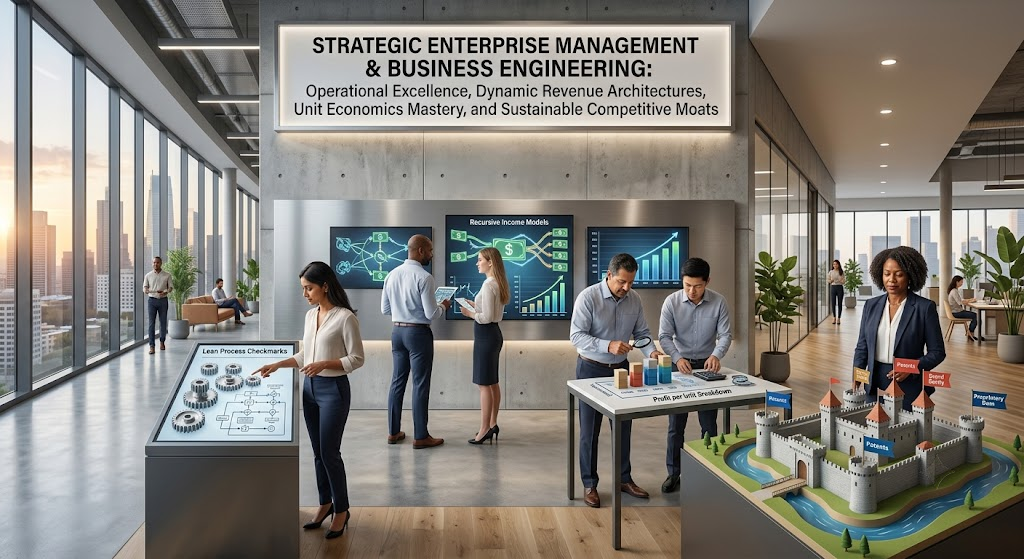
Strategic Enterprise Management & Business Engineering: Operational Excellence, Dynamic Revenue Architectures, Unit Economics Mastery, and Sustainable Competitive Moats

In a modern global economy characterized by rapid technological shifts, volatile capital markets, changing consumer behavior, and shortened product lifecycles, building a resilient enterprise requires far more than aggressive sales tactics. Sustainable business success demands rigorous operational engineering, disciplined unit economics analysis, adaptable digital business architectures, resilient supply chain design, and the strategic construction of … Read more

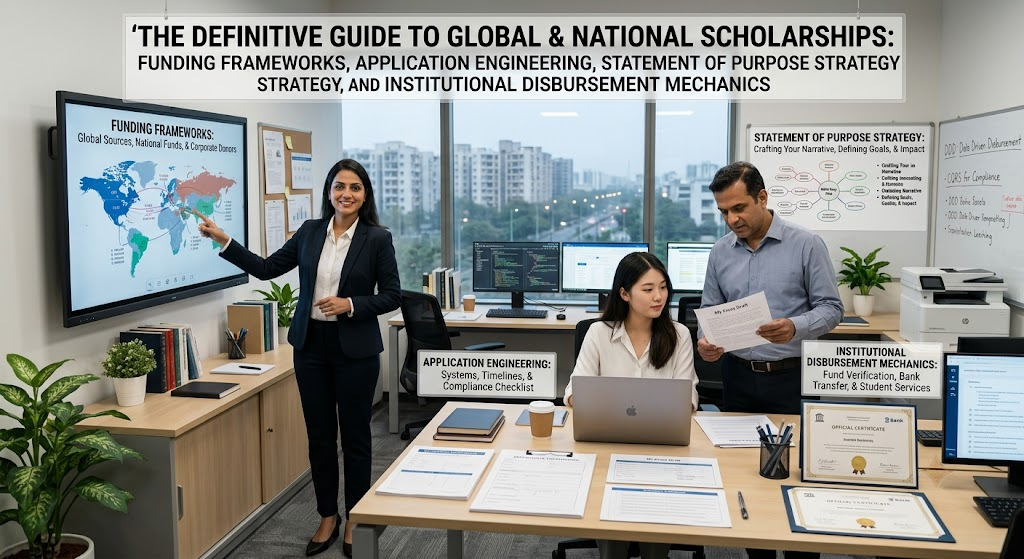
The Definitive Guide to Global & National Scholarships: Funding Frameworks, Application Engineering, Statement of Purpose Strategy, and Institutional Disbursement Mechanics

Access to high-quality higher education serves as one of the most effective levers for personal advancement, socioeconomic mobility, and long-term economic security. However, the rapidly escalating costs associated with university tuition fees, specialized instructional materials, advanced research equipment, campus accommodation, and international living expenses create formidable financial barriers for talented students worldwide. Scholarships, fellowships, and … Read more

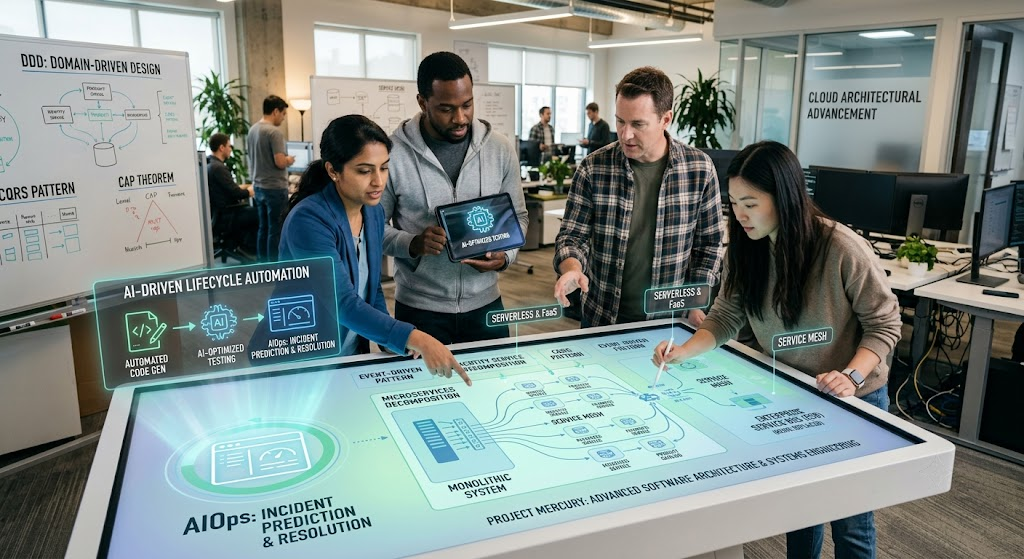
Advanced Software Architecture & Systems Engineering: Modern Paradigms, Enterprise Patterns, Microservices Decomposition, and AI-Driven Lifecycle Automation

In the contemporary digital economy, software engineering is no longer merely a supporting back-office utility; it is the fundamental core of corporate strategy, operational execution, and competitive advantage. As software systems scale globally to handle hundreds of thousands of concurrent user requests per second and user expectations for zero-downtime performance become non-negotiable, the practices surrounding … Read more

Advanced Financial Management: Capital Allocation, Investment Portfolios, and Strategic Wealth Building

Financial management provides the structural framework for organizing capital resources, mitigating financial risks, and growing long-term wealth across corporate balance sheets and personal portfolios. Whether managing enterprise capital structures or personal investment assets, mastering capital allocation, portfolio diversification, and modern risk frameworks is central to long-term financial security. 1. Foundations of Corporate Capital Allocation Corporate … Read more

Comprehensive Insurance Engineering: Actuarial Science, Risk Mitigation, and InsurTech Innovations

Insurance provides an essential financial risk-mitigation framework within modern economies, protecting individuals, commercial enterprises, and public infrastructure against unexpected loss events. By pooling independent risks using actuarial probability modeling and statistical analysis, insurance structures turn potentially devastating financial events into manageable, predictable operational costs. 1. Principles of Actuarial Science and Risk Pooling Insurance operates through … Read more

Next-Generation Technical Systems: Infrastructure Abstraction, Edge Computing, and Zero Trust Architecture

Technical systems engineering forms the foundational bedrock supporting modern computing applications, telecommunication networks, and enterprise IT operations. As global data volumes grow exponentially and sub-millisecond real-time processing becomes standard across industrial automation, financial networks, and connected devices, engineering high-performance hardware, resilient networking, and comprehensive security infrastructure is paramount. 1. Infrastructure Engineering: Bare-Metal, Virtualization, and Cloud … Read more

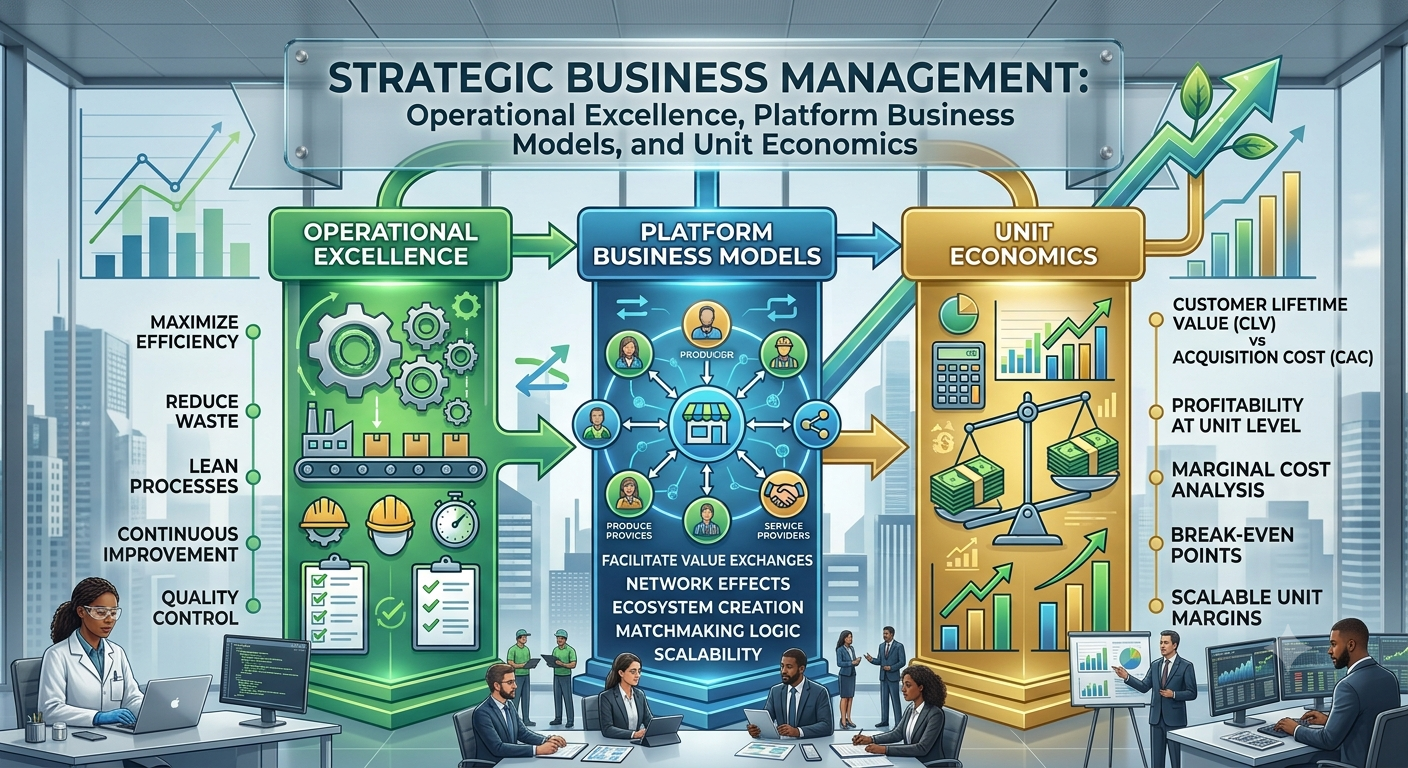
Strategic Business Management: Operational Excellence, Platform Business Models, and Unit Economics

In an era defined by rapid technological changes, global market volatility, and shifting consumer expectations, building a resilient enterprise requires more than aggressive sales targets. Sustainable enterprise growth demands a thorough understanding of evolving business models, disciplined unit economics, adaptive supply chain structures, and clear strategic moats that protect market position over time. 1. Evolution … Read more