 By admin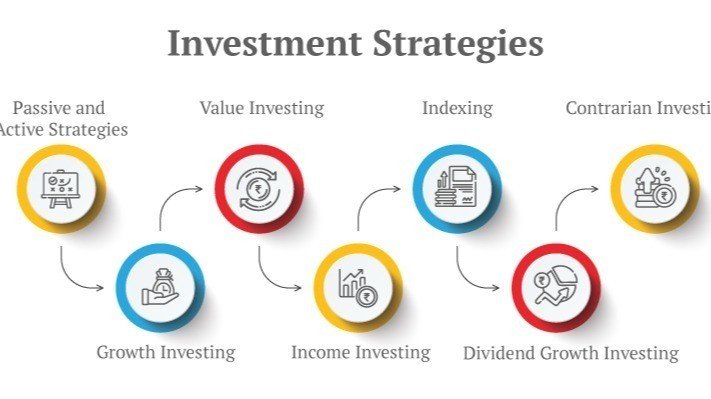
Achieving financial independence and building sustainable long-term wealth requires more than simply earning a stable income. It demands a structured approach to managing money, controlling expenses, minimizing debt, and deploying capital into high-performing investment vehicles. Whether you are starting your financial journey or looking to optimize an existing portfolio, establishing a disciplined framework is essential to navigating market volatility and inflation.
1. The Core Pillars of Sound Personal Finance
Before diving into investment instruments, you must lay a resilient financial foundation. Without these structural pillars, unexpected financial obligations can force you to liquidate investments prematurely at a loss.
Emergency Fund Allocation
An emergency fund serves as your primary buffer against life’s uncertainties, such as sudden job loss, medical emergencies, or urgent property repairs.
- Target Size: Maintain 3 to 6 months’ worth of essential living expenses (rent, utilities, groceries, insurance premiums).
- Asset Class: Keep these funds in liquid, low-risk accounts such as high-yield savings accounts or short-term liquid mutual funds. Priority must be given to capital preservation and instant liquidity over high yield.
Debt Elimination Strategy
High-interest debt destroys long-term compound growth. Prioritize paying off high-interest obligations before committing significant capital to growth investments.
- Avalanche Method: Pay off debts with the highest interest rates first (e.g., credit card balances, personal loans). This minimizes total interest paid over time.
- Snowball Method: Pay off smaller balances first to gain psychological momentum.
2. High-Yield Investment Avenues
Once your debt is managed and your emergency reserve is funded, direct surplus capital into assets that outpace inflation.
                  ┌─────────────────────────────────────────┐
                  │    Emergency Fund & Debt Management     │
                  └────────────────────┬────────────────────┘
                                       │
            ┌──────────────────────────┴──────────────────────────┐
            ▼                                                     ▼
┌───────────────────────┐                             ┌───────────────────────┐
│ Equity & Index Funds  │                             │ Fixed Income & Debt   │
│ (High Growth Target)  │                             │ (Capital Preservation)│
└───────────────────────┘                             └───────────────────────┘
Index Funds and Exchange-Traded Funds (ETFs)
Index funds track broader market indices (such as the S&P 500 or Nifty 50). They provide instant diversification across hundreds of companies, keeping management fees (expense ratios) extremely low.
- Advantages: Broad market exposure, passive management, lower expense ratios, proven historical long-term growth.
- Ideal For: Investors seeking steady compound growth without managing individual stock picks.
Direct Equities (Individual Stocks)
Investing in individual growth or dividend-paying stocks offers higher return potential than market index benchmarks, but carries elevated risk.
- Fundamental Analysis: Focus on companies with strong balance sheets, competitive moats, solid earnings growth, and reasonable valuations.
- Risk Factor: Requires regular portfolio tracking and deeper market knowledge.
Real Estate and REITs (Real Estate Investment Trusts)
Real estate provides both physical asset security and steady cash flow through rental income.
- Direct Real Estate: Purchasing residential or commercial property offers leverage and tax advantages, but requires substantial capital and effort.
- REITs: Offer liquid access to real estate assets by paying out dividends generated from commercial property portfolios.
3. Asset Allocation and Risk Management
Asset allocation determines how your investment capital is distributed among broad asset classes—equities, fixed income, real estate, and cash.
Determining Your Risk Profile
- Aggressive (Age 20–35): Higher allocation toward growth equities (70%–80%) due to a longer investment horizon.
- Moderate (Age 35–50): Balanced mix of equities (50%–60%), fixed income (30%), and real estate/gold (10%–20%).
- Conservative (Near Retirement): Focus on capital preservation through bonds, fixed deposits, and dividend income assets (60%+ in fixed income).
Portfolio Rebalancing
Over time, market movements cause your target asset allocation to shift. Rebalance your portfolio annually or bi-annually by selling overperforming assets and buying underperforming ones to reset your baseline risk level.
4. Step-by-Step Execution Plan
- Calculate Net Monthly Cash Flow: Track total income versus total outgoings to establish your investable surplus.
- Automate Investments: Set up automated monthly transfers (Dollar-Cost Averaging or Systematic Investment Plans) to remove emotional bias.
- Optimize Tax Efficiency: Leverage tax-advantaged accounts (such as 401(k), IRA, or tax-saving ELSS schemes) to maximize net returns.
- Review Continuously: Audit your portfolio annually to align with changing life goals and economic conditions.
Frequently Asked Questions (FAQs)
Q1: How much money do I need to start investing?
You can start with very small amounts. Many index funds and brokerage platforms allow initial investments starting at $10 or ₹500 via fractional shares or systematic investment plans.
Q2: Should I pay off my mortgage early or invest in stocks?
If your mortgage interest rate is low (e.g., under 4–5%), long-term equity returns (historically averaging 8–10%) may exceed the savings from early debt repayment. If debt reduction gives you peace of mind, a hybrid approach works best.